
PORT ELYSIUM
Access to the Port Elysium portal is restricted to approved partners who have executed a non-disclosure agreement.
Request Access ← Back to Port Elysium
Access to the Port Elysium portal is restricted to approved partners who have executed a non-disclosure agreement.
Request Access ← Back to Port ElysiumA building method that spends capital only as the estate grows, direct alignment with 13 of the 17 UN Sustainable Development Goals, two island-wide restoration programmes and one source of measurement for every system. Sustainability at Port Elysium isn't an add-on; it's the operating system.
Port Elysium is developed from raw land, and every system is designed from the ground up. Nothing is built ahead of need: utilities, roads and services arrive module by module as homes are sold, so capital and materials follow real demand. Equipment is bought direct and installed by Port Elysium's own multi-skilled team, estate roads are made from the island's own limestone, and every pipe and cable is laid in the trenches dug beside each new road, so the ground is opened only once.
The estate makes its own clean power, water and cooling, and runs its own waste, mobility and connectivity businesses, each explained on its own page under Utilities, and grows its own food on the estate farm. A Digital Twin is designed to record every system from the first home onwards, so environmental performance is measured, not claimed. IFC Performance Standards, LEED and ISO 14001 are used as design and management references.
One platform inside Port Elysium's holding company runs two ring-fenced programmes that restore Long Island well beyond the estate boundary. Restoration is paid for first by grants, conservation finance, research funding and sponsors; carbon credits are a possible later income.
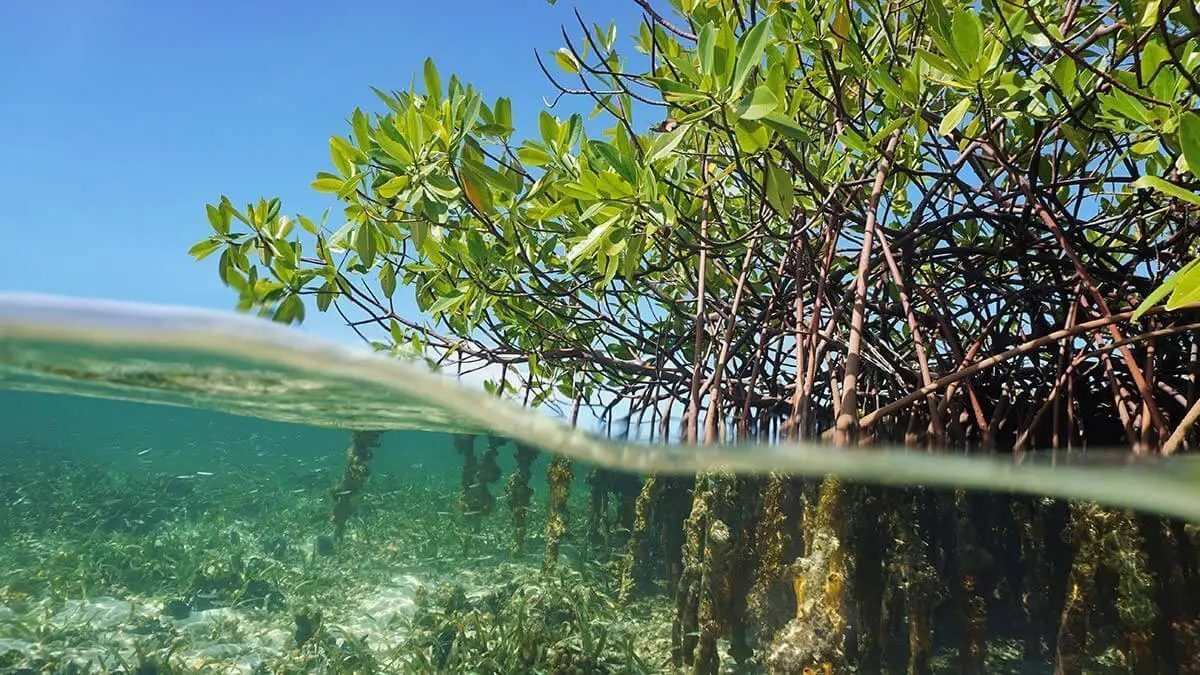
Lagoon water quality, mangrove regeneration, seagrass protection and coral in the estate lagoons.
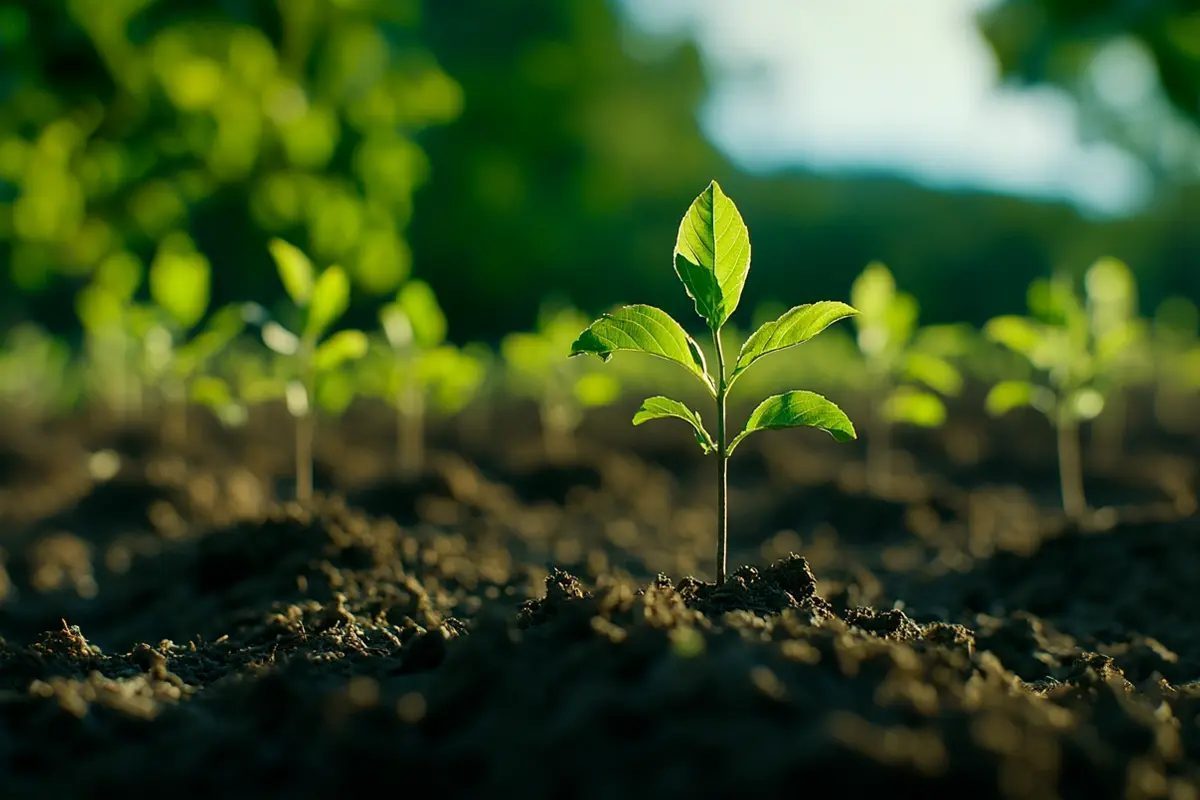
Native woodland and coppice brought back: natural regeneration, invasive removal, a native nursery and soil recovery.
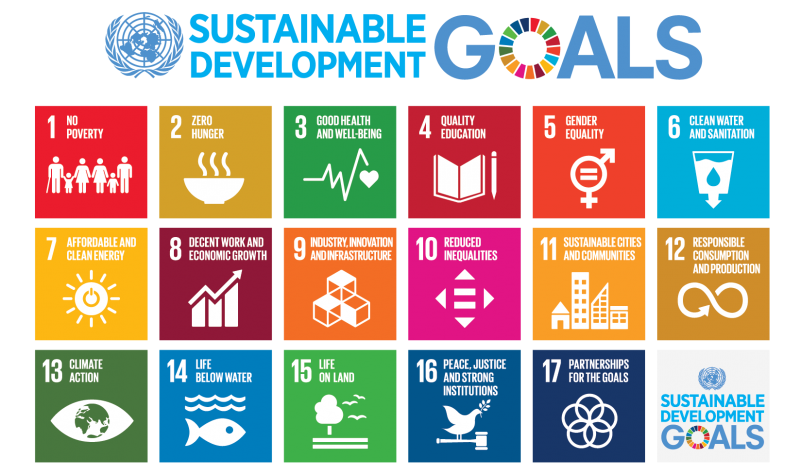
Each Goal is judged against its official UN targets. The current programme design directly aligns with thirteen Goals, each with an intended outcome and a defined measure. Port Elysium contributes to the Goals; it does not claim to deliver them.
Thermally controlled vertical greenhouses, land-based fish and prawn farming and poultry, with packing and cold chain supplying the estate first, then Long Island and the region.
Medical and emergency care with assisted living, healthcare for every team member, and ambulance and emergency services, with access for Long Island residents proposed where agreed.
An international school and a workforce nursery, apprenticeships and certified training for the estate team, and the lagoon and restoration programmes as living laboratories.
Rainwater captured from roofs, roads and open ground, desalination for the balance and dry years, and wastewater treated and reused for irrigation, with no untreated discharge near the lagoons.
A solar and battery microgrid added in modules as homes are completed, with generators for emergencies only, and deep seawater cooling that cuts the electricity needed for air conditioning.
A core operating workforce intended to be full-time, year-round and multi-skilled, with accommodation, healthcare and a pension for every team member, and international specialists working alongside Bahamians.
Privately funded utilities, telecoms, roads, marina, airport and airline, built as demand arrives and run from one Digital Twin and estate control centre.
A planned, storm-ready community with housing for its team, a residential core free of private cars, and the lagoon's beach and public realm.
Central procurement and consolidated freight; waste separated, composted, digested and recycled on site; cooking oil made into biodiesel; and the estate's own limestone reused for roads.
Hurricane-resilient design, utilities that keep running in an emergency, one rehearsed storm plan through the Digital Twin, and renewable power and seawater cooling at the core.
The Long Island Blue Restoration Programme: mangrove regeneration, lagoon circulation restored where the evidence supports it, seagrass protection alongside the national Blue Carbon Programme, and coral grown in the estate's lagoon with research partners.
The Long Island Green Regeneration Programme: native woodland and coppice regeneration, removal of Australian pine and other invasive plants, a native nursery and soil-recovery trials.
The Heads of Agreement with coordinated Government agencies, research and education partnerships, export credit and development finance, and conservation finance for restoration.
Four more Goals depend on commitments still to be made. Goals 1 (No Poverty) and 10 (Reduced Inequalities) are supported today but need an explicit livelihoods programme and inclusion policies; Goals 5 (Gender Equality) and 16 (Peace, Justice and Strong Institutions) are not yet claimed and need equal-pay, leadership and governance commitments. All four are to be written into policy during feasibility.
Port Elysium's impact extends beyond the estate boundary. Its restoration programmes work across Long Island, its food is grown for the estate, the island and the region, and its medical and emergency care brings health services to the island, with access for Long Island residents proposed where agreed. Bahamian enterprise grows through the estate's procurement.
Every utility and estate business is designed to feed the Digital Twin: one live picture of energy, water, cooling, waste and the lagoons. It is the single source for the Environmental Management Plan and for reporting against the UN Goals, with transparent reporting to Government proposed under the Heads of Agreement.
A design reference for site design, infrastructure efficiency and community connectivity.
A management reference for environmental and social risk, with reporting drawn from the Digital Twin.
Carbon is a later, conditional layer under Verra methods: VM0033 for tidal wetlands, VM0047 for land restoration and VM0044 for biochar, kept separate. No tonnes are quoted before each site has its own measurements and the rights are settled.
A management reference for the estate's environmental systems, including waste and circular systems.