PORT ELYSIUM
Access to the Port Elysium portal is restricted to approved partners who have executed a non-disclosure agreement.
Request Access ← Back to Port Elysium
Access to the Port Elysium portal is restricted to approved partners who have executed a non-disclosure agreement.
Request Access ← Back to Port ElysiumThe Long Island Green Regeneration Programme will bring back the island's native woodland and coppice: native landscape regeneration, not commercial planting and not crop fields. Restoration money pays first; carbon credits are a possible later income, never the reason for the work.
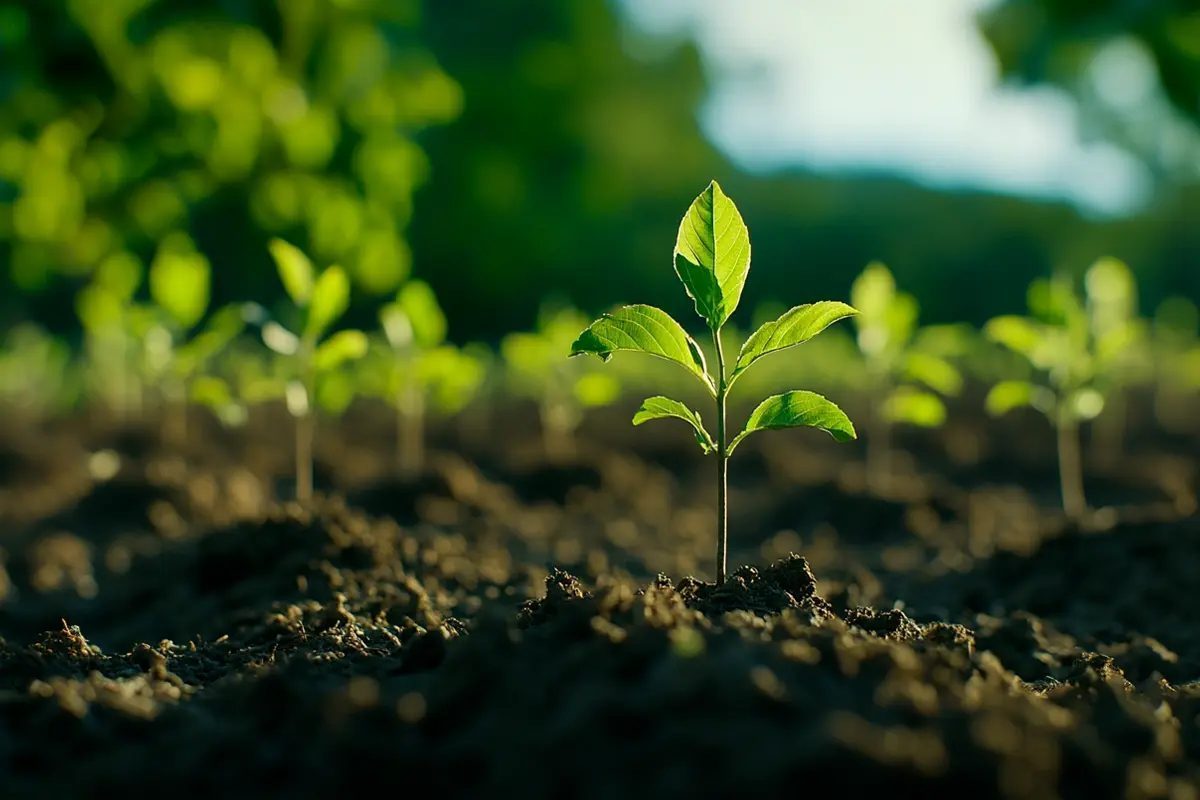
Broad-leaved woodland and coppice were once widespread on Long Island. Clearing, farming and invasive species such as Australian pine have since degraded and fragmented parts of the native landscape, and on a relatively dry island with fragile soils it does not easily come back on its own.
Port Elysium will lead the return of the native landscape, favouring native, drought-tolerant species and soil recovery, as a long-term commitment to the island and to future generations.
Protect regrowing coppice and woodland from clearing, grazing and fire, and let native seed banks recover.
Remove Australian pine and other invasives and keep them out.
Plant locally appropriate native species where natural recovery is too slow.
Collect, grow and supply native plants, shared with the estate's landscaping.
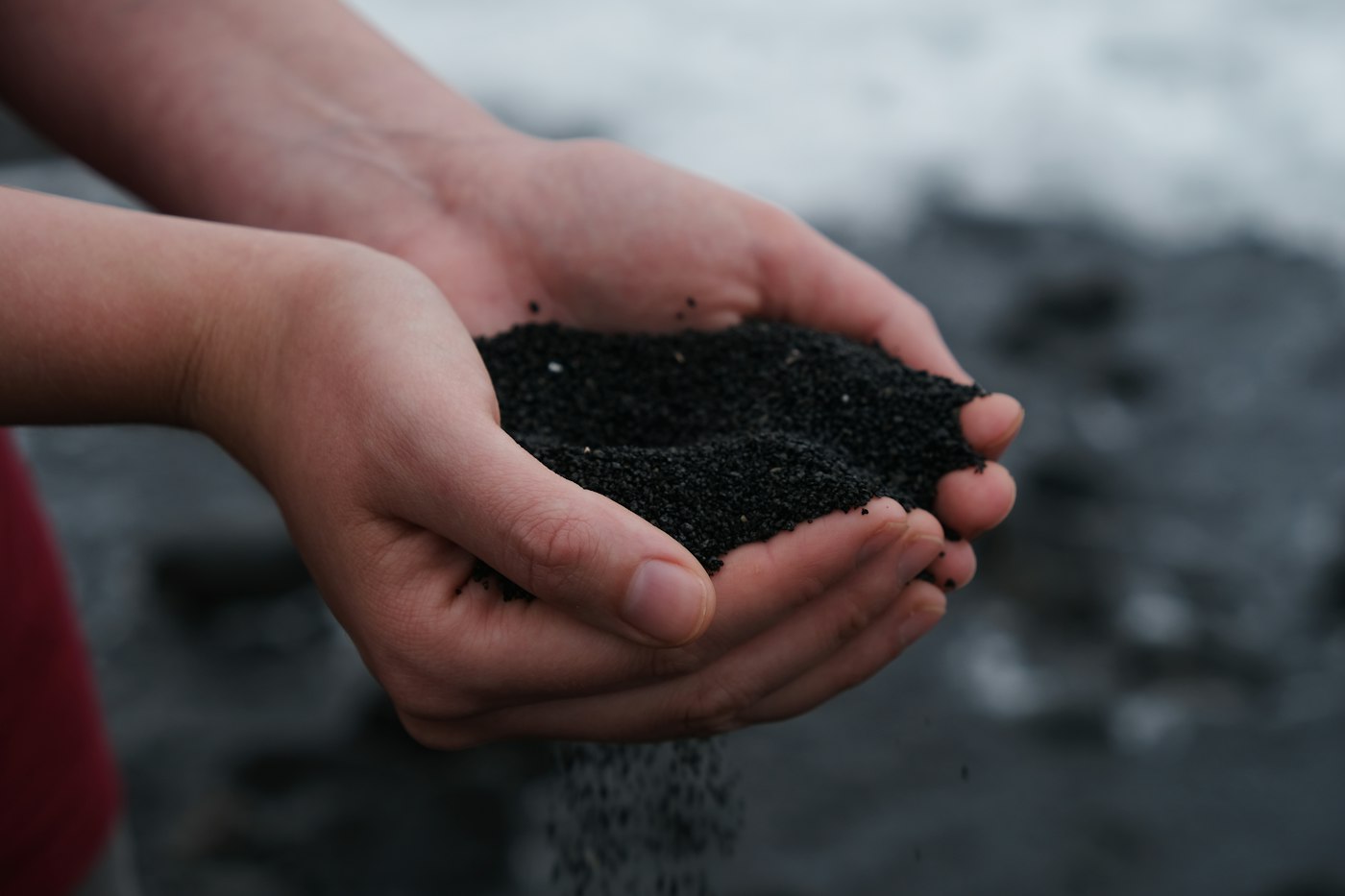
Erosion control, with compost and biochar from the estate's waste business tested in research plots.
Firebreaks, species mix and recovery plans.
The work is paid for first by government and conservation grants, philanthropic foundations, university research funding and corporate sponsors of named restoration work.
Development and low-cost finance follows feasibility, and advance carbon sales and return-seeking investors come only once there are proven sites, secure rights, known costs and credible income. Until then, Port Elysium presents this as a programme, not a fund.
The programme works on land Port Elysium acquires, government land under long-term agreement and private land offered for restoration, and checks each for title, condition, risk and cost before it is chosen. Pilot size is set by the feasibility work, not in advance. Permanent research plots, compared with matched untreated land and monitored through the Digital Twin, measure every result.
One Port Elysium Natural Capital Platform, inside the holding company, runs the Blue and Green programmes. Each is ring-fenced, with its own budget and accounts, and a board with independent science and community members and a science and safeguards committee that can reject a site are built in from the start.