
PORT ELYSIUM
Access to the Port Elysium portal is restricted to approved partners who have executed a non-disclosure agreement.
Request Access ← Back to Port Elysium
Access to the Port Elysium portal is restricted to approved partners who have executed a non-disclosure agreement.
Request Access ← Back to Port ElysiumPower on Port Elysium is made and stored across the estate: hurricane-rated solar fields, community batteries and, as buildings are finished, rooftops and car-park canopies. A smart grid moves that power where it is needed: the sun serves live demand, surplus charges the batteries and flexible loads, and the batteries carry the evening and night, so the whole community shares one clean, resilient supply.
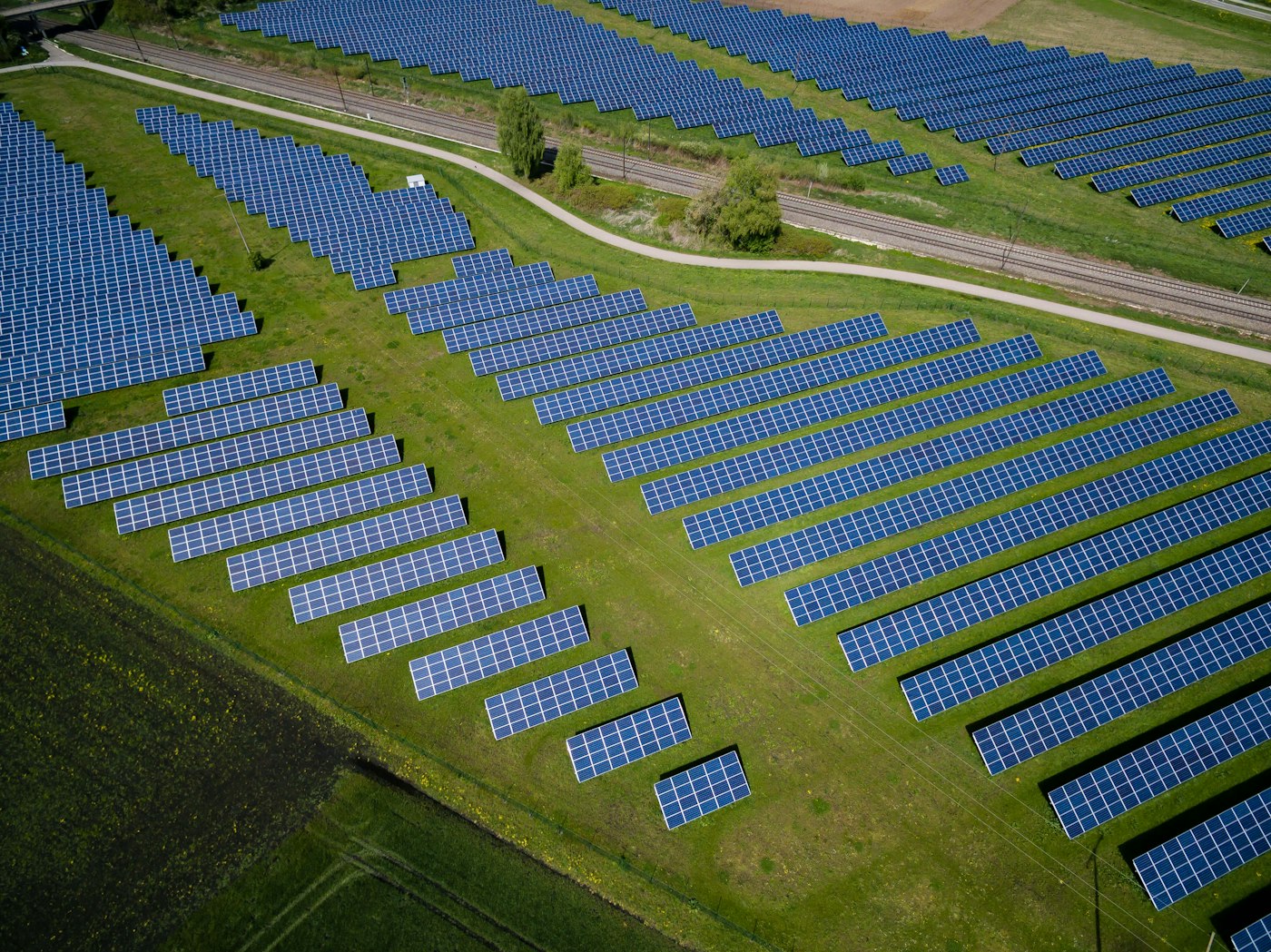
Long Island's power runs on imported fuel and is exposed to hurricanes, and the island grid charges homes up to 36 US cents a kWh. Port Elysium runs its own microgrid instead: every solar field, battery and connection working as one community system.
Its controller moves power to wherever it is needed and shares live data with the Digital Twin. Water, medical, telecoms and marina safety stay on through storms, and users pay a variable tariff targeted 10–20% below the island grid.
Balances solar, batteries and demand across the estate, and keeps running on its own if outside links fail.
Store the day's surplus for the evening and night, and can restart the grid after an outage.
Storm-rated solar fields, with rooftops and car-park canopies added as buildings are finished.
Water production, vehicle charging and lagoon pumping run in sunny hours, so the sun does more of the work.
Cables laid in the ducts beside each road, with a smart meter on every connection.
Standby only, protecting critical services through storms.
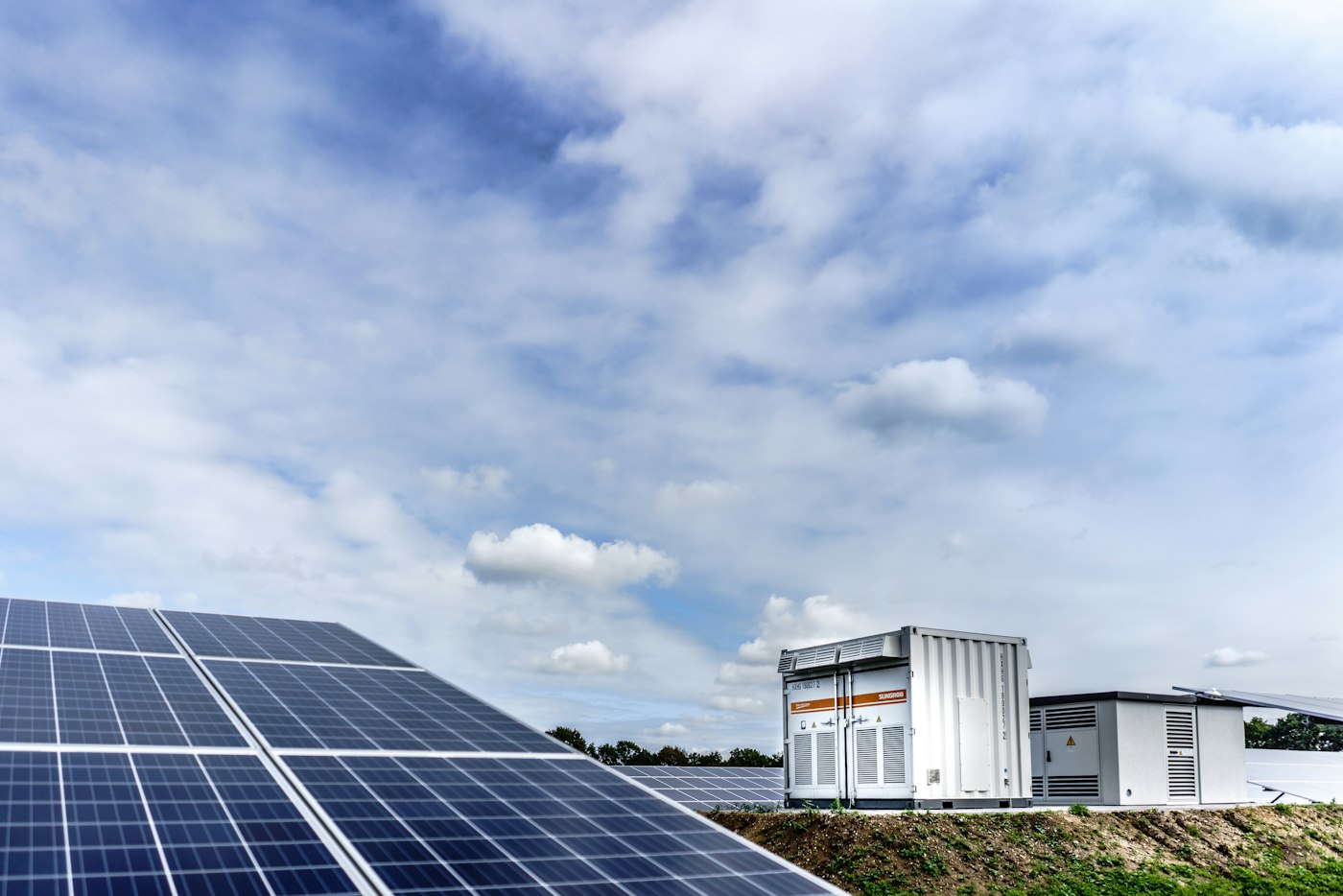
The power yard, control room and controller are built once, laid out for the whole estate. Power then grows one module at a time, 1 MWp of solar with 1.5 MWh of battery, each ordered by a rule that looks ahead by its delivery time, with service zones, cable and meters added as connections arrive. A module already committed is never cancelled; if demand falls, later modules simply move back.
Equipment is bought direct from whichever country gives the best overall deal (the options priced include US-made panels and inverters and UK-built generators), with the plan assuming export credit of 85% from the supplying country's agency.