
PORT ELYSIUM
Access to the Port Elysium portal is restricted to approved partners who have executed a non-disclosure agreement.
Request Access ← Back to Port Elysium
Access to the Port Elysium portal is restricted to approved partners who have executed a non-disclosure agreement.
Request Access ← Back to Port ElysiumOn the finished estate, food scraps and shredded garden waste become compost, kitchen scraps become cooking gas, surplus wood becomes biochar and glass becomes sand and gravel. Cans and HDPE plastic are baled for recycling, hazardous items leave by licensed carrier, and only the sealed residual is shipped to a licensed site, with no open burning or dumping near the lagoons or reefs.
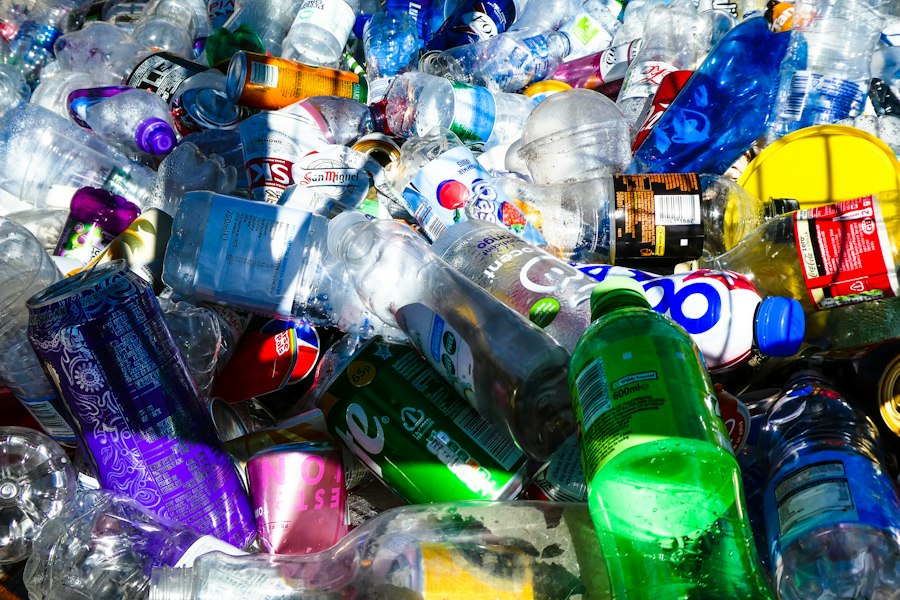
Family Island landfills are under strain, and the region recycles about 4.5% of its waste against 13.5% worldwide. Port Elysium runs its own circular service instead, keeping most of its waste on the island as useful products.
Household, hotel, commercial and marina contracts make Waste a service business in its own right.
Three-stream bins at every home, and containers for hotels, restaurants and shops.
Compact electric trucks on routes planned by the Digital Twin.
Closed composters turn food and shredded garden waste into compost for the farm and landscaping.
A mobile kiln turns surplus wood, mainly from land clearing, into biochar that enriches the soil.
Kitchen scraps become cooking gas and liquid fertiliser.
Cans and plastics with a buyer are baled for recycling, and glass is crushed into sand and gravel.
Waste is built in blocks (a household biodigester, a containerised composter, a mobile biochar kiln, a sorting line, one electric truck at a time), each ordered only when forecast tonnage crosses its trigger, so capital follows the people it serves.
Equipment is bought from whichever country gives the best overall deal (the options priced are US-made, with Swedish, UK and Israeli alternatives), financed with export credit from the supplying country, and installed by Port Elysium's own year-round team.